

-
By admin
-
September 28, 2026
- 0 Comment
Weld Neck Flange: Types, Applications, Benefits and Selection Guide
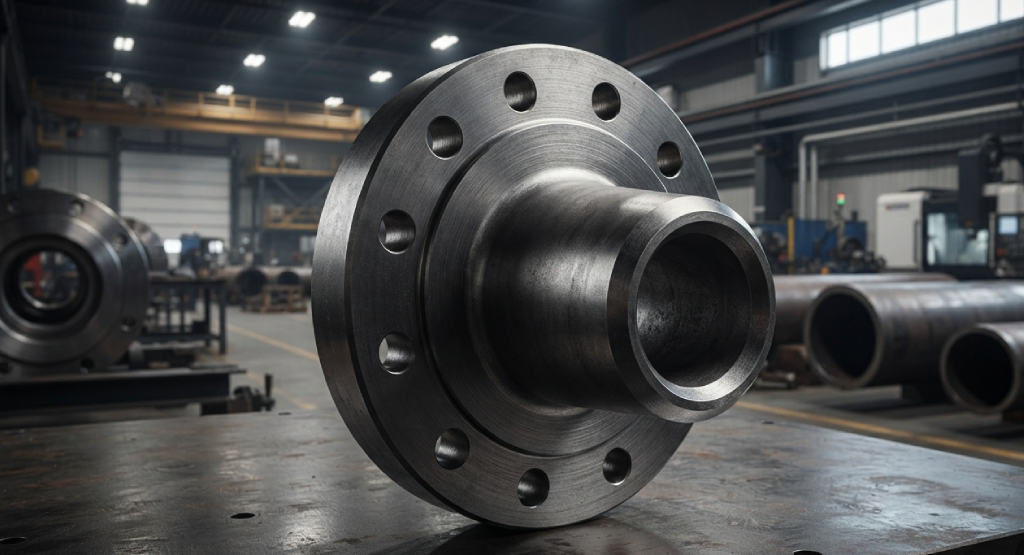
A weld neck flange is a type of pipe flange designed to connect pipes, valves, fittings, and other components in high-pressure and high-temperature piping systems. It features a long-tapered hub that is butt-welded to the pipe, creating a strong and reliable connection. Weld neck flanges are widely used in industries where piping systems must withstand high pressure, temperature, vibration, and mechanical stress.
For industrial piping applications, selecting the right flange material, pressure class, dimensions, and manufacturing standard is important for maintaining system safety and long-term performance. Weld neck flanges are commonly specified according to standards such as ASME, ANSI, DIN, and other applicable international specifications.
What Is a Weld Neck Flange?
A weld neck flange is a flanged component with a tapered neck that connects directly to the pipe through a butt weld. Unlike slip-on flanges, the pipe is welded to both the flange face and the neck area, providing a more robust connection.
The tapered design helps distribute stress from the flange into the adjoining pipe. This makes weld neck flanges particularly suitable for demanding applications where pressure and temperature conditions can place significant loads on piping connections.
Weld neck flanges can be manufactured from materials such as carbon steel, stainless steel, alloy steel, and other materials selected according to the operating environment.
How Does a Weld Neck Flange Work?
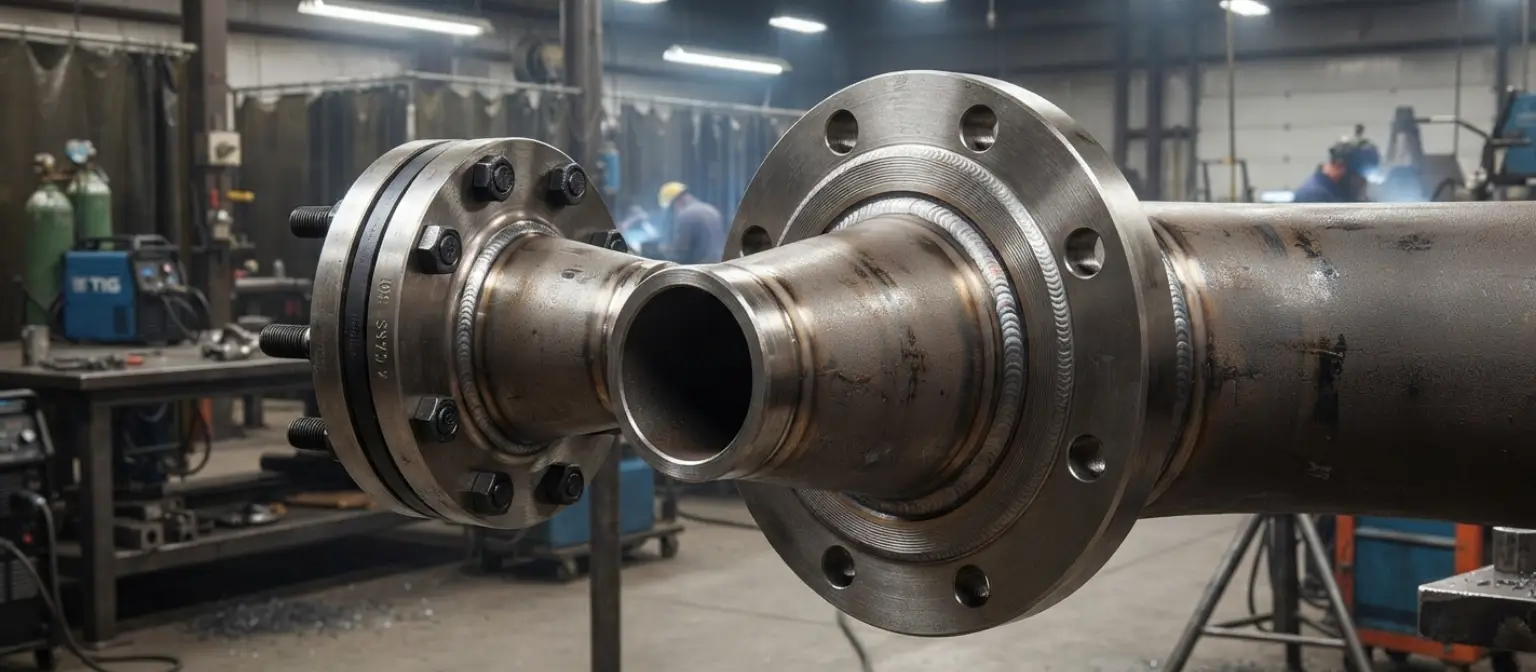
A weld neck flange is installed by aligning the flange with the pipe and preparing the pipe end for a butt-weld connection. The pipe is then welded to the tapered neck of the flange.
The long hub provides a gradual transition between the pipe and flange, helping reduce stress concentration around the connection. Once installed, the flange face provides a surface for connecting another flanged component using bolts and a suitable gasket.
This arrangement creates a strong connection that can be used in pipelines carrying liquids, gases, steam, chemicals, petroleum products, and other industrial media.
Key Features of Weld Neck Flanges
Several design characteristics make weld neck flanges suitable for demanding industrial applications.
1. Long Tapered Hub
The tapered hub provides a gradual transition from the flange to the pipe. This design helps distribute mechanical stresses more effectively than some other flange configurations.
2. Butt-Weld Connection
The flange is directly welded to the pipe, providing a strong and permanent connection. Proper welding procedures and inspection are important for maintaining connection integrity.
3. High Pressure Capability
Weld neck flanges are frequently selected for high-pressure piping systems because of their robust construction and welded connection.
4. High-Temperature Applications
Suitable material grades and specifications allow weld neck flanges to be used in piping systems exposed to elevated temperatures.
5. Resistance to Mechanical Stress
The design can provide improved resistance to bending, vibration, thermal expansion, and other mechanical loads when properly engineered and installed.
Types of Weld Neck Flanges
Weld neck flanges are available in different configurations depending on piping requirements and sealing arrangements.
Raised Face Weld Neck Flange
A raised face weld neck flange has a raised sealing surface around the bolt circle. It is commonly used with suitable gaskets to create a reliable connection.
Flat Face Weld Neck Flange
Flat face configurations have a flat sealing surface and may be selected for particular equipment or piping arrangements where this configuration is required.
Ring Type Joint Weld Neck Flange
Ring type joint, or RTJ, weld neck flanges incorporate a specially machined groove designed to accommodate a metal ring gasket. They are commonly associated with high-pressure and high-temperature applications.
Long Weld Neck Flange
A long weld neck flange has an extended neck and is used in applications where the flange design needs to provide additional length or structural support. These flanges are commonly found in specialised industrial piping and equipment connections.
Common Materials Used for Weld Neck Flanges
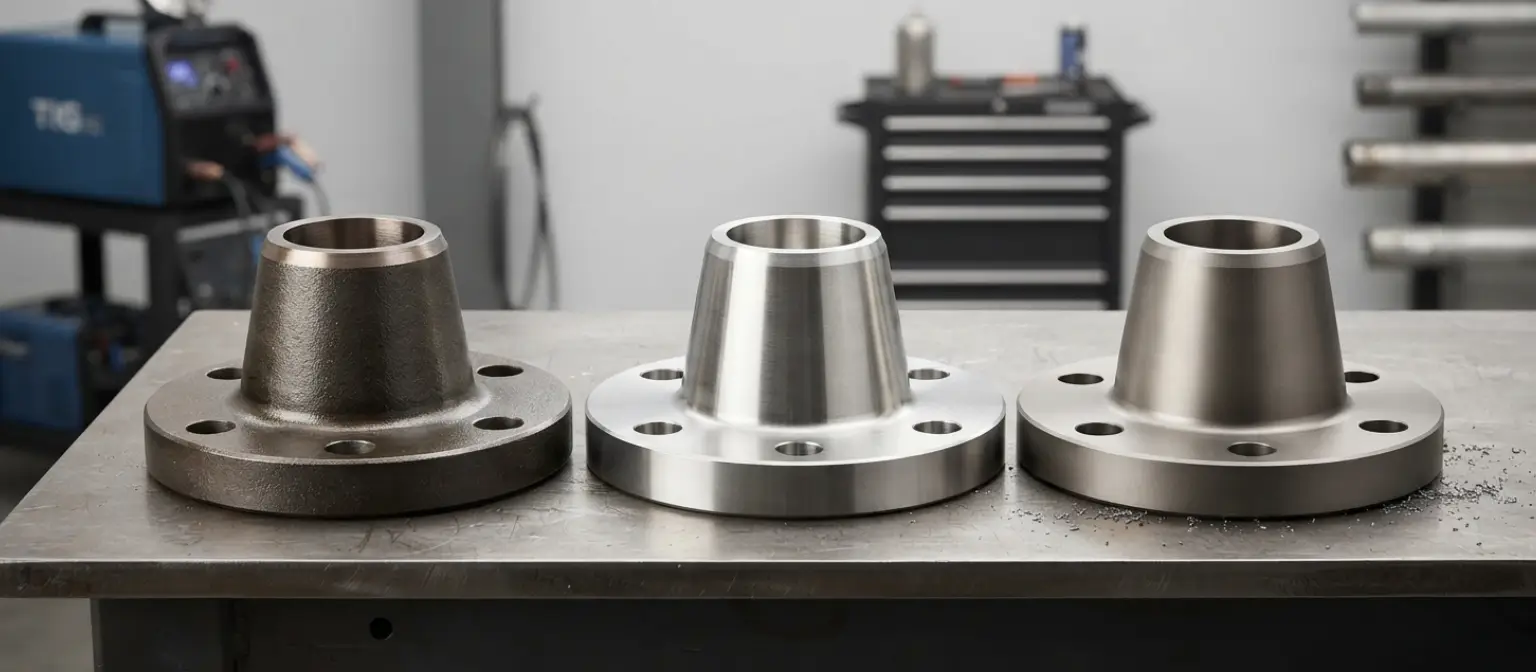
The material selected for a weld neck flange depends on pressure, temperature, corrosion conditions, fluid characteristics, and applicable industry standards.
Carbon Steel: Carbon steel weld neck flanges are widely used in general industrial, oil and gas, water, power, and process piping applications.
Stainless Steel: Stainless steel flanges can be selected where improved corrosion resistance is required.
Alloy Steel: Alloy steel is used for applications requiring specific mechanical properties and resistance to elevated temperatures or demanding operating conditions.
Material grades should be selected based on engineering specifications and the applicable piping code rather than solely on general application requirements.
Weld Neck Flange Standards
Industrial weld neck flanges are manufactured and specified according to recognised standards. Common specifications may include ASME B16.5 for pipe flanges and flanged fittings within applicable size and pressure ranges. Other standards, including ASME B16.47, DIN standards, and customer-specific specifications, may apply depending on flange size, application, and project requirements.
Important flange specifications can include:
- Nominal pipe size
- Pressure class
- Outside diameter
- Bore diameter
- Bolt circle diameter
- Number and size of bolt holes
- Flange thickness
- Face configuration
- Material grade
- Manufacturing standard
Before ordering a weld neck flange, buyers should verify the required dimensions and applicable standard with the project or engineering specification.
Applications of Weld Neck Flanges
Weld neck flanges are used across numerous industrial sectors because of their ability to support demanding piping connections.
Oil and Gas Industry
Weld neck flanges are used in pipelines, processing facilities, refineries, and other oil and gas infrastructure where piping systems can operate under significant pressure and temperature.
Petrochemical Plants
Petrochemical processing systems often require engineered flange connections capable of handling process fluids and demanding operating conditions.
Power Generation
Power plants use flanged connections in steam, water, fuel, cooling, and other piping systems. Appropriate material and pressure specifications are essential for these applications.
Chemical Processing
Chemical plants require piping components selected according to fluid compatibility, pressure, temperature, and corrosion requirements.
Water Treatment
Weld neck flanges can be used in industrial water treatment and process piping systems where compatible materials and specifications are required.
Engineering and Process Industries
Manufacturing facilities, process plants, fabrication companies, and industrial equipment manufacturers may use weld neck flanges for permanent piping connections.
Advantages of Weld Neck Flanges
The main benefits of weld neck flanges include their robust construction, strong welded connection, and suitability for demanding piping environments.
Their tapered hub can help reduce stress concentration and improve the transition between the flange and pipe. The butt-weld design also creates a strong connection when the joint is properly designed, welded, inspected, and tested.
Weld neck flanges can therefore be considered when piping systems require reliable connections under pressure, temperature, vibration, or mechanical loading.
Weld Neck Flange vs Slip-On Flange
One common purchasing question is the difference between a weld neck flange and a slip-on flange.
A weld neck flange has a tapered hub and is butt-welded to the pipe. A slip-on flange slides over the pipe and is generally fillet-welded in position.
Weld neck flanges are often specified for more demanding piping conditions because their design provides a stronger transition between the pipe and flange. Slip-on flanges may be selected for applications where installation requirements, system conditions, and project specifications make them appropriate.
The correct choice should always be based on engineering requirements, applicable standards, operating conditions, and installation considerations.
How to Select the Right Weld Neck Flange
Choosing a weld neck flange requires consideration of several technical factors:
- Pipe Size: Confirm the nominal pipe size and required flange dimensions.
- Pressure Rating: Select the appropriate pressure class based on operating conditions.
- Temperature: Consider minimum and maximum operating temperatures.
- Material: Select a compatible material grade for the process environment.
- Flange Face: Determine whether raised face, flat face, RTJ, or another configuration is required.
- Standard: Confirm the applicable ASME, ANSI, DIN, or project-specific standard.
- Bore: Ensure the flange bore matches the pipe requirements.
- Inspection Requirements: Consider dimensional inspection, material certification, welding requirements, and testing specified by the project.
Why Choose a Reliable Weld Neck Flange Manufacturer?
Industrial flanges form an important part of piping systems, making consistent manufacturing quality essential. Buyers should consider a manufacturer’s experience, material traceability, dimensional accuracy, manufacturing capabilities, quality-control procedures, and ability to meet required specifications.
For MJ Forgings, weld neck flange requirements can be evaluated according to the customer’s application, dimensions, material requirements, and applicable technical specifications. Providing complete information about size, pressure class, material grade, standard, flange face, and quantity can help streamline the sourcing process.
Frequently Asked Questions About Weld Neck Flanges
What is a weld neck flange used for?
A weld neck flange is used to create a strong flanged connection between pipes, valves, fittings, and equipment. It is commonly specified for piping systems involving pressure, temperature, vibration, or mechanical loading.
Why does a weld neck flange have a tapered hub?
The tapered hub provides a gradual transition between the flange and pipe. This helps distribute stresses through the connection and makes the design suitable for demanding piping applications.
Are weld neck flanges suitable for high-pressure applications?
Yes. Weld neck flanges are commonly used in high-pressure piping systems when the correct flange rating, material, dimensions, welding procedure, and applicable standard are specified.
What materials are available for weld neck flanges?
Common materials include carbon steel, stainless steel, and alloy steel. The appropriate material depends on pressure, temperature, corrosion conditions, process media, and engineering specifications.
What standards apply to weld neck flanges?
Depending on size and application, weld neck flanges may be manufactured or specified according to standards such as ASME B16.5, ASME B16.47, DIN standards, and project-specific specifications.
How do I select a weld neck flange?
Selection should consider pipe size, pressure class, temperature, material grade, flange face, bore, applicable standard, service conditions, and project requirements.
A weld neck flange is an important piping component for industrial systems requiring a strong and dependable connection. Its tapered hub and butt-weld construction make it suitable for many high-pressure, high-temperature, and mechanically demanding applications.
From oil and gas and petrochemical facilities to power generation, chemical processing, water treatment, and general engineering, weld neck flanges are available in different materials, sizes, pressure classes, face configurations, and standards. Selecting the correct specification is essential for safe and reliable piping performance.
MJ Forgings can support industrial flange requirements by considering application-specific specifications, material requirements, dimensions, and applicable manufacturing standards. Buyers should provide complete technical details when requesting weld neck flange specifications or quotations.